


Introduction
Inflation is one of the most powerful forces shaping UK mortgage rates. In 2026, even small changes in inflation data can shift lender pricing, affect affordability, and influence the Bank of England’s interest rate decisions.
This guide explains how inflation impacts mortgage rates in the UK, why it matters to borrowers, and what you can expect moving forward.
What Is Inflation?
Inflation is the rate at which prices rise over time. When inflation increases, the purchasing power of money decreases.
For example:
- £100 today may only buy £95 worth of goods next year if inflation is high
The UK government aims to keep inflation around a stable target level.
Why Inflation Matters for Mortgage Rates
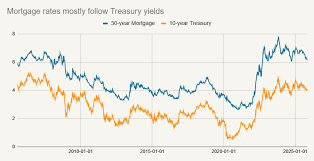
Mortgage rates are directly influenced by inflation because lenders must protect their returns in real terms.
When inflation rises:
- Lenders demand higher interest rates
- Borrowing becomes more expensive
- Mortgage affordability decreases
When inflation falls:
- Interest rates often stabilise or decrease
- Mortgage deals become more competitive
The Bank of England’s Role
The Bank of England uses interest rates to control inflation.
If inflation is too high:
- Base rate increases
- Borrowing becomes more expensive
- Spending slows down
If inflation is too low:
- Base rate may be reduced
- Borrowing becomes cheaper
- Economic activity is encouraged
Mortgage lenders adjust their pricing based on these decisions.
Inflation vs Mortgage Rates Relationship
Where:
- i = mortgage interest rate
- π (pi) = inflation
- r = base rate
- m = lender margin
This shows that mortgage rates are not fixed—they move with inflation expectations.
How Inflation Impacts Fixed vs Variable Mortgages
Fixed-Rate Mortgages
- Protected during inflation spikes
- Rates set based on expected inflation
- Less sensitive short-term
Variable-Rate Mortgages
- Directly affected by inflation-driven base rate changes
- Monthly payments can rise quickly
2026 Inflation Trends in the UK
In 2026:
- Inflation has stabilised compared to previous peaks
- However, volatility still exists in energy and food prices
- Services inflation remains sticky
This creates uncertainty for future rate cuts.
What This Means for Borrowers
Homeowners:
- Fixed-rate deals offer protection
- Remortgaging timing is critical
First-Time Buyers:
- Affordability depends heavily on inflation trends
- Small rate changes significantly impact borrowing power
Investors:
- Rental income must keep pace with inflation
- Mortgage costs remain sensitive
How to Protect Yourself from Inflation Risk
- Choose fixed-rate mortgages in uncertain periods
- Avoid over-borrowing during high inflation cycles
- Remortgage early before rate increases
- Maintain strong credit to access better deals
Conclusion
Inflation is one of the strongest drivers of UK mortgage rates. In 2026, understanding how inflation affects borrowing costs can help homeowners and buyers make smarter financial decisions and avoid expensive mistakes.